Memory Care vs Assisted Living: How to Choose the Right Path for Your Loved One
Business Name: BeeHive Homes of Clovis
Address: 2305 N Norris St, Clovis, NM 88101
Phone: (505) 591-7025
BeeHive Homes of Clovis
Beehive Homes of Clovis assisted living care is ideal for those who value their independence but require help with some of the activities of daily living. Residents enjoy 24-hour support, private bedrooms with baths, medication monitoring, home-cooked meals, housekeeping and laundry services, social activities and outings, and daily physical and mental exercise opportunities. Beehive Homes memory care services accommodates the growing number of seniors affected by memory loss and dementia. Beehive Homes offers respite (short-term) care for your loved one should the need arise. Whether help is needed after a surgery or illness, for vacation coverage, or just a break from the routine, respite care provides you peace of mind for any length of stay.
2305 N Norris St, Clovis, NM 88101
Business Hours
Families do not look for care settings the method they look for appliances. The choice shows up in the middle of real life, usually after a scare, a lost costs, a 2nd fall, a range left on. The goal is not to discover the shiniest community, it is to match your loved one's needs, personality, and threats with the best level of assistance. That match looks different depending upon whether you pick assisted living or a memory care home.
I have walked this road with numerous families. The best results came when we stopped briefly, called the specific issues we needed to fix, and after that let those issues dictate the setting. Labels matter less than the information behind them. Below is a practical, experience-tested guide to help you see those details clearly.
What these two models are actually constructed to do
Assisted living is designed for older grownups who can live somewhat individually but need help with daily activities. Think about bathing, dressing, medication pointers, getting to meals, light housekeeping, and transport. The building is normally open and social, with a dining room, calendar of activities, and private apartment or condos. Personnel exist all the time, though not at a health center level. The care strategy is customized, but the environment assumes residents can discover their way, choose, and manage basic routines with cueing or minimal hands-on help.
Memory care is a specialized environment for people coping with Alzheimer's illness or other types of dementia who require a greater level of structure, supervision, and habits support. It is generally a protected system or a stand-alone memory care home. The design makes navigation easier, and safety is crafted into the area. Personnel get additional dementia care training. The day follows a trusted rhythm with targeted activities to lower confusion and distress. The program is not just more hands. It is a various technique to communication, engagement, and threat management.
Families frequently inquire about labels. Some assisted living communities state they "assist locals with mild amnesia." That can be real for early cognitive changes. However when disorientation, roaming, repetitive exit looking for, or escalating stress and anxiety appear, the benefits of a dedicated memory care setting become clear.
How daily life really feels inside each setting
In assisted living, mornings normally start with an employee knocking, using help with bathing and dressing if it is on the care strategy. Breakfast occurs in a pleasant dining room. Some residents walk there by themselves, others get a pointer call or escort. The activity board may list yoga at 9, a shopping trip at ten, and music after lunch. If your dad loves his self-reliance and can shuffle to the elevator with his walker, the structure works with him. He can lock his door, take a nap without check-ins, and avoid bingo without any consequence.
In memory care, the day brings more structure. Personnel prepare for that homeowners will not remember schedules or instructions, so routines are built into the circulation. Bright, contrasting colors aid with depth understanding. Menus are streamlined, and meals might be served family style at smaller tables to cue eating. Hallways frequently loop to reduce dead ends. Doors to the exterior are secured or alarmed to prevent hazardous exits. Activities highlight sensory engagement, short jobs, and movement at foreseeable times. An employee may sit with your mom to trigger each bite at breakfast, then walk with her around the courtyard to direct restlessness into safe activity. The tone aims to lower stress and anxiety by replacing choices with constant, reassuring patterns.
Staffing, training, and supervision
The crucial distinction is not the marble lobby, it is who shows up when your loved one needs help.
-
Assisted living staffing ratios differ extensively by state and company. During the day, a typical range is one direct care staff member for 12 to 18 homeowners. During the night it may be one for 18 to 25, with a nurse on call or on site part-time. Personnel get general eldercare training, and some get standard dementia education. This design works best when residents can press a call pendant, wait a couple of minutes, and follow instructions once assist arrives.
-
Memory care generally runs tighter ratios, for example one team member for 5 to 8 locals throughout the day, and one for 10 to 12 in the evening, together with a nurse existence that is more constant. Staff member are trained in dementia interaction, redirection, and how to analyze habits as unmet requirements. In a great memory care home, you will see staff flowing rather than waiting for call lights, since the goal is to avoid issues before they escalate.
Ratios are only part of the story. Enjoy how groups communicate. In a strong memory care program, you will hear staff state things like, "Mr. Alvarez taps his fingers when he gets anxious, so we give him a warm washcloth and start music before supper." That level of personalization separates true dementia care from generic help.
Safety features and the difference they make
Safety tools are not about locking people away. They have to do with developing an environment where a person with amnesia can succeed without constant correction.
In assisted living, doors are not generally secured. Elevators are open, and kitchen areas might be accessible. Stoves in homes are sometimes allowed or handicapped based on the resident's strategy. If somebody has moderate lapse of memory however no exit seeking, this freedom is suitable. The threat comes when confusion increases, since an open school anticipates residents to self-regulate.
Memory care, by style, limits unsafe choices and replaces them with safe liberty. You might see a secured boundary courtyard so locals can go outside without a chaperone. Exit doors typically have actually postponed egress hardware and alarms so personnel can step in before somebody leaves. Home appliances are managed. Restroom fixtures are selected to minimize misperception, and warm water is controlled. Lighting utilizes warmer tones to lower sundowning. These features cost cash, however they purchase a sort of safety that human guidance alone can not deliver.
The pivot point: when assisted living suffices, and when memory care is wiser
Families frequently attempt assisted living first, specifically if the person seems "primarily okay" in familiar surroundings. Often that works wonderfully for a year or more. The line to memory care typically appears in among four methods:
-
Wandering or exit seeking. If your loved one leaves the house and can not find the method back, or efforts to leave the building repeatedly, assisted living is extended beyond its style. Staff can not securely keep an eye on corridors without compromising everybody else's privacy.
-
Behavioral modifications that distress others or position your loved one at risk. This can suggest striking out throughout care, heightened paranoia, or calling the cops in the night since "complete strangers are in the house." Generalist teams often do not have the training and staffing to manage this consistently and compassionately.
-
Lost ability to series multi-step tasks even with cueing. If bathing, toileting, or eating fall apart, the need for hands-on, regular prompting often exceeds the scope of assisted living.
-
Nighttime wakefulness and turnaround of sleep cycles. A person who is up from 1 to 5 a.m. Pacing is not likely to be safe in an open building. Memory care programs anticipate and handle these patterns.
One caution: an individual with early amnesia who deals with a cognitively healthy partner might grow in assisted living longer because the spouse covers the executive function spaces. The question to ask is not whether the setting looks gorgeous, but who is doing the work of keeping your loved one safe and engaged. If it is the partner, strategy ahead in case their health modifications suddenly.
Costs, agreements, and what is included
Prices vary by region, developing quality, and service model. As a basic frame:

-
Assisted living in the United States frequently ranges from 4,000 to 7,000 dollars each month, with base rates covering housing, energies, meals, and basic activities. Care is frequently billed in tiers. Tier 1 may consist of medication tips and light aid, while higher tiers include bathing, dressing, and frequent checks. A resident with moderate needs may pay an extra 800 to 1,500 dollars monthly above the base.
-
Memory care usually costs more since of staffing and facilities. Anticipate an extra 1,000 to 2,500 dollars over an equivalent assisted living rate in the same structure. Some memory care homes use complete prices, others still tier the care. Ask how typically they re-evaluate and how they communicate increases.
Insurance and benefits matter. Long term care insurance may pay an everyday benefit if the resident needs aid with a specified number of activities of daily living or has actually a documented cognitive problems. Some states offer Medicaid waivers that aid with assisted living or memory care, however accessibility and waitlists vary. Veterans and surviving partners might qualify for Aid and Presence, which can balance out a number of hundred to over a thousand dollars each month. Facilities differ in whether they accept these programs, and some accept Medicaid only after a personal pay period. Put the monetary map on paper before you fall for a building.
Read the agreement. Try to find the discharge stipulation. Facilities must keep homeowners safe, and they can require a relocation if requirements surpass what they are licensed or staffed to offer. A clear clause is not a danger, it is a sign of sincerity. Vague language makes crisis moves more likely.
What assessments expose, and why they matter
Good communities do not rely on a single snapshot. They integrate cognitive testing, functional assessment, medical history, and direct observation.
Cognitive screening tools like the MoCA or MMSE can provide a basic sense of problems. Ratings help, however habits matter more. I have actually supported individuals with mid-range ratings who handled well in assisted living since they were calm, followed cues, and had a consistent routine. I have likewise seen high scorers with impulsivity and poor judgment who needed memory care for safety.
Functional assessment covers activities of daily living: bathing, dressing, toileting, moving, eating, and continence. Instrumental activities, like handling financial resources or cooking, usually fall away previously. The secret is frequency and predictability. If your loved one can shower separately 3 days a week but declines or forgets four days, the environment must close those spaces consistently.
Medical intricacy can push the decision. Insulin-dependent diabetes with varying cognition, reoccurring UTIs that tip into delirium, or high fall threat on blood thinners increases the need for closer tracking. Medication management in memory care typically consists of more regular checks and creative techniques to make sure adherence without forcing.
A fast side by side snapshot
-
Assisted living presumes the resident can browse the building with cues and intermittent help, memory care presumes the resident needs continuous structure and supervision.
-
Assisted living staffing supports independence with help on request, memory care staffs to proactively engage and redirect.
-
Assisted living structures are open and social with less environmental protections, memory care systems use protected boundaries, simplified designs, and sensory-friendly design.
-
Assisted living activities mirror typical senior programming, memory care activities are shorter, repeated, and sensory oriented.
-
Assisted living costs less on average, memory care brings a premium for specialized staffing and security features.
How to select, step by step
-
List the top five threats or problems you are trying to solve, composed in plain language. Examples: Mom leaves the house in the evening and gets lost. Dad forgets to eat unless triggered. Expenses are unpaid.
-
Tour both an assisted living and a memory care home, preferably in the same company, and visit twice at different times. Enjoy the evening shift. Smell the air. Listen for how personnel talk about residents.
-
Ask each neighborhood to write a draft care plan with staffing assumptions and a cost that shows your loved one's existing needs. Then ask what activates would alter the strategy and the cost.
-
Call 2 recommendations, ideally households who relocated the in 2015. Ask what amazed them, good and bad, and how the community handled a tough day.
-
Rehearse a 90 day strategy. If you attempt assisted living first, what signs would prompt a switch to memory care, who will make the call, and how fast can the shift happen.
The misconception of "prematurely" and the truth of timing
Families stress over relocating to memory care before it is essential. The fear is reasonable. The word "protected" can seem like a loss of flexibility. Yet the most typical regret I hear is the opposite. People want they had actually moved previously, when their loved one might still adapt and form bonds with personnel. A well run memory care program can decrease stress and anxiety, support sleep, and boost engagement. The payoffs compound when the environment fits the individual's brain.
It is likewise true that some individuals stay conveniently in assisted living till the last months of life. What makes that possible is a low profile of risky habits, a tolerance for cueing, and a team that knows the resident well. If you are on the fence, think about a respite stay in memory look after two to 4 weeks. Brief trials reveal a lot. You will see if your dad perks up with structure or chafes at it.
The human element: personalities, preferences, and dignity
A diagnosis does not erase identity. The very best care setting honors who your loved one still is. A former carpenter may react to tasks with tools and sanding blocks, whether in assisted living or memory care. A retired teacher will light up when asked to help "lead" a little group, even if the material is easy. I have actually seen a woman who disliked group activities prosper after a memory care team created a morning folding station near a bright window simply for her. It looked like hectic work to an outsider. To her it felt like purpose, and her agitation fell away.
If your mom is personal and trendy, ask how bathing is performed and whether the very same few aides can be appointed regularly. If your dad is a night owl, ask what occurs after 9 p.m. Search for imaginative responses, not stock phrases. Dignity resides in the details.
Edge cases you must plan for
Couples with mixed requirements face difficult choices. Some communities let a couple share a home in assisted living while the partner with dementia receives add-on services. This can work if the much healthier partner wants the function and the care team can flex. Other couples live in the same structure however different units, one in memory care, one in assisted living, with daily visits. That plan preserves safety while protecting the well spouse's rest. It is not best, however neither is caregiver burnout.
Younger onset dementia brings different energy. Basic activities can feel childish. In that case, try to find memory care homes that customize programs for people in their 50s or early 60s, with active movement, music, and projects rather than purely sedentary options.
Language and culture matter. A memory care system with multilingual personnel or cultural food choices can reduce habits set off by misconception. Do not be shy about asking how many staff speak your loved one's language and whether care notes reflect cultural preferences.
Pets are a supporting force for some homeowners. Policies differ. Some assisted living settings allow animals in houses, while memory care more often utilizes community animals that visit daily. If the bond is critical, ask straight what is possible.
What good dementia care appears like on a regular Tuesday
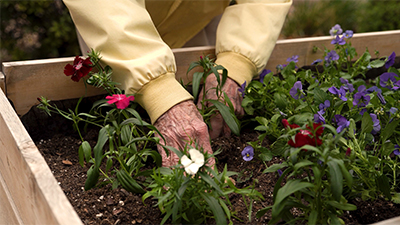
You understand you are in the ideal memory care home when everyday scenes tell a meaningful story. A resident who usually withstands showers concurs due to the fact that her favorite sweater is already laid out and warm towels are all set. A man who paces is invited to "help inspect the doors" every hour, turning restlessness into a job. The dining room remains calm since personnel provide a one action timely, wait, and then smile, rather than layering commands. There is laughter, but not noise for its own sake. The calendar matters less than the tone.
In assisted living, the right fit looks like personnel who know when to back away, who respect independence without making people feel alone. Mr. Chen prefers to take his medications at 7 a.m., not 8, and the nurse develops that into the pass. Ms. Rivera likes lunch in her apartment or condo 3 days a week, and that is honored without comment. Front desk personnel greet locals by name, relative feel welcome, and maintenance knocks before entering.
Transition planning that reduces stress
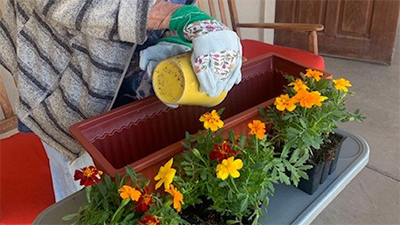
Moves are difficult. They go much better when families manage three arcs at the same time: the logistics, the story, and the very first 2 weeks.
For logistics, start early with documentation. Make a one page medical summary, list of medications with doses and times, names of previous infections and triggers for delirium, and a copy of any advance directives. Pack familiar products initially, especially a bedspread, pictures at eye level, and 2 furniture pieces your loved one recognizes from home. Label clothing clearly.
For the story, keep descriptions basic and consistent. "This is a safe place while your house is being worked on" is often more effective than a debate about memory loss. Let staff carry the story forward so your loved one is not challenged with a new reason each shift.
For memory care clovis nm the very first two weeks, exist but not all day. Long visits can anchor an individual to you and impede bonding with personnel. Rather, visit at foreseeable times that match your loved one's best hours, bring a modest comfort like a preferred treat, and after that leave while the mood is still favorable. Provide the team insight, not orders. "She consumes more if the straw is on the left" is gold.
Red flags during a tour, and green lights you wish to see
Red flags consist of a strong odor of urine that lingers for hours, staff who can not name three residents without checking a chart, and activity calendars that look hectic however reveal empty spaces at video game time. Watch a meal. If half the plates return unblemished and no one notifications, food is decor, not nourishment. Ask how the team manages a resident who declines care. If the response is "We just inform them they have to," keep looking.
Green lights consist of consistent eye contact from caregivers, prompt aid that is calm instead of hurried, and small acts of customization. I like to ask a resident directly, "What do you like about living here?" Many people will tell you something true. If a number of answer quickly and without seeking to personnel, the culture is probably healthy.
Assisted living with memory care add-ons vs devoted memory care homes
Some assisted living communities provide "improved care" programs within the very same structure but not in a protected system. These work for residents with mild to moderate dementia who require more hands-on help however do not roam or exhibit high threat habits. The advantage is social integration and versatility. The danger is diffusion of attention if staffing is not increased to match needs.
Dedicated memory care homes concentrate knowledge. Smaller sized, purpose built environments often feel calmer and more foreseeable. For residents with significant cognitive loss, that specialization deserves the additional cost. The technique is to prevent presuming that an indication that says "memory care" assurances quality. You still require to evaluate the program with your eyes and your questions.
If you are still unsure
When households remain split, I advise three actions. First, speak to your loved one's primary clinician about risks you may be reducing, particularly around roaming and nighttime safety. Second, try a respite placement in the memory care system you like best and set up a daytime visit to the assisted living program throughout that stay. Third, write down what a good day appears like for your loved one and which setting is more than likely to produce more of those days. Go for good days, not perfect ones.
Choosing in between assisted living and memory care is not about surrendering independence. It has to do with crafting the most normal life possible within the constraints of illness. The right setting reduces avoidable crises, illuminate what still offers pleasure, and supports the people who like your family member as much as the individual themselves. When you discover that, you will feel it in the quiet of an ordinary afternoon, when your loved one is safe, engaged, and at ease. That is the bullseye.
BeeHive Homes of Clovis provides assisted living care
BeeHive Homes of Clovis provides memory care services
BeeHive Homes of Clovis provides respite care services
BeeHive Homes of Clovis supports assistance with bathing and grooming
BeeHive Homes of Clovis offers private bedrooms with private bathrooms
BeeHive Homes of Clovis provides medication monitoring and documentation
BeeHive Homes of Clovis serves dietitian-approved meals
BeeHive Homes of Clovis provides housekeeping services
BeeHive Homes of Clovis provides laundry services
BeeHive Homes of Clovis offers community dining and social engagement activities
BeeHive Homes of Clovis features life enrichment activities
BeeHive Homes of Clovis supports personal care assistance during meals and daily routines
BeeHive Homes of Clovis promotes frequent physical and mental exercise opportunities
BeeHive Homes of Clovis provides a home-like residential environment
BeeHive Homes of Clovis creates customized care plans as residents’ needs change
BeeHive Homes of Clovis assesses individual resident care needs
BeeHive Homes of Clovis accepts private pay and long-term care insurance
BeeHive Homes of Clovis assists qualified veterans with Aid and Attendance benefits
BeeHive Homes of Clovis encourages meaningful resident-to-staff relationships
BeeHive Homes of Clovis delivers compassionate, attentive senior care focused on dignity and comfort
BeeHive Homes of Clovis has a phone number of (505) 591-7025
BeeHive Homes of Clovis has an address of 2305 N Norris St, Clovis, NM 88101
BeeHive Homes of Clovis has a website https://beehivehomes.com/locations/clovis/
BeeHive Homes of Clovis has Google Maps listing https://maps.app.goo.gl/SMhM3zbKaKgR1UAX6
BeeHive Homes of Clovis has TikTok page https://tiktok.com/@beehivehomes_clovis
BeeHive Homes of Clovis has Facebook page https://www.facebook.com/beehiveclovis
BeeHive Homes of Clovis has Instagram page https://www.instagram.com/beehivehomesclovis/
BeeHive Homes of Clovis has an YouTube page https://www.youtube.com/@WelcomeHomeBeeHiveHomes
BeeHive Homes of Clovis won Top Assisted Living Homes 2025
BeeHive Homes of Clovis earned Best Customer Senior Service Award 2024
BeeHive Homes of Clovis placed 1st for Senior Living Communities 2025
People Also Ask about BeeHive Homes of Clovis
What is BeeHive Homes of Clovis Living monthly room rate?
The rate depends on the level of care that is needed. We do a pre-admission evaluation for each resident to determine the level of care needed. The monthly rate is based on this evaluation. There are no hidden costs or fees
Can residents stay in BeeHive Homes until the end of their life?
Usually yes. There are exceptions, such as when there are safety issues with the resident, or they need 24 hour skilled nursing services
Do we have a nurse on staff?
No, but each BeeHive Home has a consulting Nurse available 24 – 7. if nursing services are needed, a doctor can order home health to come into the home
What are BeeHive Homes’ visiting hours?
Visiting hours are adjusted to accommodate the families and the resident’s needs… just not too early or too late
Do we have couple’s rooms available?
Yes, each home has rooms designed to accommodate couples. Please ask about the availability of these rooms
Where is BeeHive Homes of Clovis located?
BeeHive Homes of Clovis is conveniently located at 2305 N Norris St, Clovis, NM 88101. You can easily find directions on Google Maps or call at (505) 591-7025 Monday through Sunday 9:00am to 5:00pm
How can I contact BeeHive Homes of Clovis?
You can contact BeeHive Homes of Clovis by phone at: (505) 591-7025, visit their website at https://beehivehomes.com/locations/clovis/ or connect on social media via TikTok Facebook or YouTube
Ned Houk Memorial Park provides scenic desert landscapes and picnic areas suitable for assisted living and elderly care residents during relaxing respite care outings.