Early Dementia Care Choices: Is Memory Care or Assisted Living the Better Fit?
Business Name: BeeHive Homes of Clovis
Address: 2305 N Norris St, Clovis, NM 88101
Phone: (505) 591-7025
BeeHive Homes of Clovis
Beehive Homes of Clovis assisted living care is ideal for those who value their independence but require help with some of the activities of daily living. Residents enjoy 24-hour support, private bedrooms with baths, medication monitoring, home-cooked meals, housekeeping and laundry services, social activities and outings, and daily physical and mental exercise opportunities. Beehive Homes memory care services accommodates the growing number of seniors affected by memory loss and dementia. Beehive Homes offers respite (short-term) care for your loved one should the need arise. Whether help is needed after a surgery or illness, for vacation coverage, or just a break from the routine, respite care provides you peace of mind for any length of stay.
2305 N Norris St, Clovis, NM 88101
Business Hours
Families often reach the same crossroad: a loved one has gotten an early dementia medical diagnosis and is beginning to lose ground with errands, expenses, meals, or medication routines. Everyone can see that living totally alone has ended up being dangerous. The question that follows is deceptively easy. Should we begin with assisted living, or move straight into a memory care home? The ideal answer depends less on the label and more on your loved one's particular pattern of strengths, risks, and choices, plus what regional communities in fact supply behind their brochures.
I have actually walked this decision with hundreds of households. I have seen dazzling starts in assisted living that extended self-reliance for years, and I have actually viewed other homeowners support just after moving to memory care. The option is part clinical evaluation, part family logistics, part gut check about safety. There are trade‑offs either way.
What "early dementia" typically looks like
Dementia is an umbrella term explaining progressive cognitive decrease that interferes with daily function. Early phases can be subtle. The majority of people still gown and bathe separately and hold a meaningful discussion, especially in the morning. The cracks typically show in what clinicians call crucial activities of daily living, the complex tasks that keep a household running.
Patterns I typically see include unsettled expenses accumulating, repeated online purchases, a refrigerator filled with ended food, missed out on medication dosages, and circular driving routes after simple errands. Pals might observe social withdrawal or that stories repeat three times over lunch. Short‑term memory slips are the headline, however judging threat can be harder. I when dealt with a retired engineer who might describe every bolt on a mower, yet might not remember he had already taken his blood thinner. The memory failure mattered since of the medication's stakes.
Early symptoms differ by type of dementia. Alzheimer's alters to memory and word finding. Vascular dementia looks patchier, with excellent days and bad days, or weakness on one side after repeated little strokes. Lewy body dementia can present visual misperceptions and huge swings in alertness, which makes safety unforeseeable. Frontotemporal dementia can get here with changes in judgment and impulse control long previously memory fails, so an extremely spoken person might sound fine while making hazardous choices. These subtleties influence whether an assisted living setting can supply enough oversight to avoid injuries and elopement, or whether the structure of memory care is the safer structure from the start.
What assisted living in fact offers
Strip away the sales language and you will find that assisted living is designed for individuals who require help with some day-to-day tasks however do not require 24‑hour scientific guidance. Personnel help with bathing, dressing, grooming, toileting, and medication management. Meals are prepared, house cleaning is consisted of, and there are social activities. Lots of buildings have beautiful common locations, courtyards, and on‑site beauty parlors. Residents typically live in private apartments, lock their own doors, and reoccur to group occasions as they choose.
Staffing in assisted living is variable. A common daytime pattern is one caregiver for 8 to twelve locals, with thinner ratios overnight. Nurses are generally not on website around the clock, although some bigger communities have an LPN or registered nurse throughout service hours, plus on‑call arrangements. Regulations differ commonly by state. Some states permit assisted living to accept citizens with moderate cognitive disability or early dementia if they can do so safely, while others require a move to a secured memory care system at the first indication of roaming danger. The label does not ensure capability; inquire about actual staffing, training, and resident mix.
From an expense perspective, assisted living typically starts with a base month-to-month rate for room and board, then includes a care charge based upon assessed needs. In lots of markets, base rates fall in the 3,500 to 6,000 dollars vary for a studio or one‑bedroom, with care fees adding 500 to 2,500 dollars depending on help required. Medication administration, incontinence supplies, and escorts to meals typically come as separate line items. Read the menu of fees as you would read an airline company's baggage policy, and ask how often reassessments happen. In the majority of buildings, care levels are evaluated every 30, 60, or 90 days.
When assisted living works well for early dementia, it is due to the fact that it supplies the best scaffolding without smothering self-reliance. A retired instructor I dealt with moved into assisted living when she began burning pots and skipping meals. With three ready meals, medication reminders, and a morning hint to shower, she restored weight, rejoined a book club, and stayed 5 years, moving only when roaming started after dusk. She knew her next-door neighbors and made her method with confidence from her apartment to the dining-room. That familiarity had worth that no checklist can capture.
What memory care contributes to the equation
Memory care is developed for people living with dementia, starting to end. The built environment and everyday regimens decrease confusion and mitigate dangers that assisted living can not dependably control. Consider it as assisted living plus dementia‑specific programs and security.
Most memory care homes are secured. Doors require a code to exit, and there are alarms or sensing units on boundaries. This does not turn the system into a jail. Homeowners go outside into secured yards, participate in monitored community trips, and keep a day-to-day rhythm. The goal is to prevent hazardous roaming, a risk that increases as soon as someone forgets where they were headed or misjudges traffic. Staff get specific training in redirection, acknowledging unmet needs that sustain agitation, and cueing techniques for bathing and dressing. The activity calendar looks different too. Rather of trivia contests covering obscure dates, you will see task‑based programs like folding warm towels, baking, gardening, or music that draws on long‑term memory. Montessori‑inspired dementia care, where jobs are simplified and choice‑driven, has ended up being more visible in well‑run communities.
A strong memory care program pays attention to sensory load and routine. Lighting follows a consistent day‑night pattern to decrease sundowning. Passages may consist of shadow boxes with individual keepsakes outside each room to aid with wayfinding. Dining utilizes color contrast on plates and tablecloths to compensate for visual‑perceptual changes. Speech is short and concrete. Noise is moderated. Staff ratios are tighter than in assisted living, often one caregiver to six or 8 homeowners throughout the day, and one to 10 or twelve over night, though this varies extensively. On‑site nursing hours likewise vary; some memory care units share a nurse with the assisted living building next door.
Memory care costs more. In most regions, families must expect 20 to 30 percent above assisted living rates. A reasonable working range is 5,000 to 9,000 dollars monthly, with greater expenses in coastal metros and lower in backwoods. That boost shows staffing and programming strength, secured design, and greater oversight. Some neighborhoods bundle care into a flat memory care rate that includes medication administration and incontinence support. Others still use a tiered model. When you tour, ask what sets off a cost dive, and what occurs if care requirements surpass what the system can safely offer. Every community has a discharge limit, even if they avoid naming it.
I frequently satisfy households who worry that memory care will feel infantilizing or too restrictive for somebody in the early stage. This is not guaranteed. The very best memory care communities construct choice into the day, honor adult identities, and withstand the impulse to overassist. I have seen a former civil engineer continue to manage a communal tool caddy for light jobs, and a retired nurse lead a hydration round. What changes is the safeguard, not the individual's worth.
Overlap and crucial differences
Both assisted living and memory care offer meals, housekeeping, social engagement, and aid with personal care. The distinctions show up in what takes place when someone is puzzled or at risk.
Assisted living anticipates more independent navigation. If your mother can dependably discover the dining-room, use an elevator, and go back to her apartment, assisted living keeps her in a familiar, apartment‑style circulation. If she gets lost in between her door and the lobby, stresses when an alarm sounds, or wanders searching for a kid who is now a grown adult, that vibrant overwhelms most assisted living floorings. Personnel in assisted living are kind and strive, but they are not set up to monitor exit doors continually, redesign an activity for someone who can not follow steps, or pacify late‑day restlessness with structured sensory input.
Memory care expects confusion and plans for it. Redirection is a core skill, not an occasional courtesy. Exit‑seeking is anticipated, and the building works together with the strategy instead of relying on personnel to chase alarms. The everyday routine offers clear start and stop cues. When cognition dips in the afternoon, there are shorter, tactile activities and quiet areas that absorb that energy. The whole system is shaped around dementia care.
Medication safety is a strong differentiator. In assisted living, residents can frequently handle their own medications if they show skills, though numerous select staff administration. In memory care, personnel deal with medications as a rule, which reduces risks of double dosing or avoided tablets that destabilize high blood pressure, blood glucose, or mood.
Another line is the response to habits that signal distress. If your father establishes fear that products are being stolen, or he misreads patterns on a carpet as insects, a memory care group will have training in how to verify the sensation, decrease triggers, and shift jobs gracefully. Assisted living may ask the household to offer personal task hours to cover the space, or they may suggest a transfer if the pattern persists.
Where beginning in assisted living makes sense
If your loved one has early dementia with excellent insight, no roaming history, and consistent daytime function, assisted living can be a strong first step. People who flourish in assisted living tend to value personal privacy and the feel of a home, choose a lighter touch from staff, and enjoy a more diverse peer group that consists of citizens without cognitive impairment. Some couples select assisted living so they can share a basic home and regimen while only one partner gets help, particularly when memory care houses in the area are mainly personal studios.
Finances can tip the scale too. If the budget is tight and the difference in regular monthly expense would cut years off affordability, beginning in assisted living and planning for a later relocation may be pragmatic. A veteran's Aid and Participation advantage can balance out 1,200 to 2,300 dollars monthly, depending on marital status. Medicaid coverage for assisted living and memory care differs by state and program, and many neighborhoods keep a minimal number of Medicaid waiver slots. When funds are finite, ask each building's director whether locals can convert to Medicaid in place, and if so, the length of time the personal pay duration need to be first.
I suggest assisted living when a strong family existence adds oversight. If a child visits 3 times weekly, notifications early changes, and can act quickly to change the plan, assisted living's lighter supervision ends up being less risky.
Where moving straight to memory care is the much safer call
Three patterns steer me to memory care from the start. The first is exit‑seeking elder care or a continual wandering history, even if there was no real elopement. The 2nd is poor safety judgment combined with confabulation, such as switching on the range and forgetting it is hot, insisting on driving after getting lost, or giving away money to complete strangers by phone. The 3rd is behavioral modification that needs consistent dementia‑specific techniques to prevent escalation, for instance late‑day agitation or misinterpreting benign interactions as threats.
Families typically ask whether starting in assisted living might purchase time while maintaining dignity. If any of those patterns are present, you are not trading dignity for security by selecting memory care. You are picking a setting where the walls, staffing plan, and day-to-day rhythm fulfill the person where they are.
Here is a fast filter I share in family meetings.
- Repeated wandering or exit‑seeking in the previous 60 days
- Unsafe cooking area or medication errors despite prompts
- Getting lost within buildings or parking lots currently familiar
- Increasing paranoia, misperceptions, or late‑day agitation
- Limited insight into deficits, coupled with resistance to help
If two or more of these are true, memory care is generally the much better fit.
The couple's dilemma
One of the hardest situations involves couples when just one partner has dementia. The majority of assisted living communities welcome couples and price the 2nd occupant at a lowered rate, including care fees for the partner who needs aid. Lots of memory care units, by contrast, only allow the person with dementia to live on the secured floor. A couple of neighborhoods offer buddy memory care apartments for couples, however not many.
I have actually seen imaginative solutions. In one case, a hubby with early Alzheimer's moved to memory look after security, and his spouse rented an independent living home in the same structure, investing daylight hours with him and going back to her own bedroom during the night. It pleased both safety and marital nearness. In another, a couple started together in assisted living with a clear strategy to transition to memory care if he began to exit‑seek. They prioritized distance when visiting and picked a school with both levels of care under one roofing system to minimize disruption later.
What to look for when you tour
A structure can state it provides dementia care without delivering the information that matter. Watch the micro‑interactions. Does a caretaker kneel to welcome a resident at eye level, or call throughout the space? Are people participated in something purposeful, or is the television bring the load? Exist clear visual cues for the bathroom from the bed? Is the outdoor area truly usable, with a flat loop and shade, or is it a locked box nobody enters?
Ask pointed questions. The answers will inform you whether the community's dementia care is a program or a paragraph in a brochure.
- How does staff deal with exit‑seeking without physical restraint?
- What is the normal daytime and overnight staffing on the unit?
- What sets off a move to a higher level of care or hospital?
- How are medications handled, and who evaluates psychotropics?
- Can we do a brief respite stay before signing a longer lease?
If the director can not address, ask to talk with the nurse or memory care coordinator. Openness today prevents a scramble later.
Money, contracts, and the great print
Care expenses seldom move in a straight line. Anticipate reassessments. If your mother starts needing 2 people to aid with transfers, or she becomes incontinent, the cost will increase. If she stabilizes, costs hardly ever go back down, though it is worth asking. Focus on move‑in costs, community charges, and whether the structure uses a third‑party drug store that includes shipment charges. Arbitration clauses show up in many residency arrangements. If you are unpleasant with them, ask whether they are optional; in some states they are.
Respite stays can be a wise method to evaluate the fit. A 14 to 30 day trial lets you see how your father performs in memory care without committing to a year‑long lease. Insist on a written plan for how personnel will approach his known triggers and preferences. If the respite works out, you gain confidence. If it does not, you still have your choices open.
Long term care insurance coverage can pay for either assisted living or memory care once the policy's criteria are met, normally needing aid with two or more activities of daily living or having a cognitive disability that requires guidance. Start the claim documents early. Benefits often start after a removal period of 30 to 90 days.
How timing impacts outcomes
Moving too late can produce a steep, stressful transition. An individual who has currently fallen twice or been discovered outside in winter season without a coat is arriving with momentum you will need to obstruct. The very first 2 weeks in a brand-new setting are by definition disorienting. Include moving stress to middle stage dementia, and you might see short-term getting worse in habits or confusion. That does not mean the relocation was wrong, but it suggests you should not wait for a crisis to make the decision. I motivate families to tour while the person with dementia can still walk the halls, meet staff, and take in a few of the brand-new layout. Familiarity, even if partial, assists later.
On the other hand, moving too early can backfire. A devoted walker who grows on long, without supervision loops around a neighborhood might feel penned in by a protected courtyard, even a good one. If insight is still strong and wandering has not emerged, starting in assisted living and revisiting the strategy every 3 to 6 months might optimize quality of life. There is no universal guideline; your loved one's character and history matter.
Edge cases that need unique judgment
Young start dementia alters the calculus. A 58‑year‑old with frontal behavioral modifications will not mix well in a memory care unit created around 80‑plus locals. Try to find communities with experience in more youthful residents, more physical activity, and staff comfortable with disinhibition and pacing.

Bilingual or bicultural residents should have attention to language and food. Confusion magnifies when the surrounding language is not the one somebody defaulted to in youth. If the only Spanish spoken in the structure is at the reception desk, that will not be enough.
Rural markets can provide thin choices. I have helped households who drove 45 minutes to the nearest memory care and selected assisted living in your area because they might visit every day. The additional existence compensated for the setting. When you decide between ideal but far and good enough however near, consider who will appear on Tuesday afternoon in February. Support you can sustain beats a plan you will abandon.
How to prepare the individual and the team
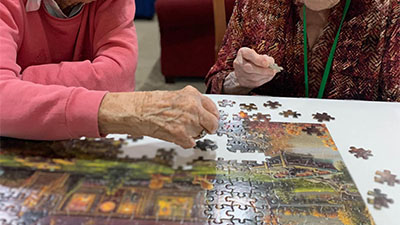
Pack the room like you are developing a memory map. Familiar armchair by the window, preferred quilt on the bed, family images in constant places. Label drawers with words and images. Bring a little basket of tactile tasks that fit your individual's history: playing cards for a former poker host, large‑piece puzzles for a hobbyist, a neat box of nuts and bolts for a mechanic. Supply a composed life story to the staff. Two pages are enough. Include nicknames, previous careers, foods loved and disliked, music that relaxes, and subjects to avoid. Great dementia care is personal care.
Stay during the very first meals if the community welcomes it. View where your loved one naturally sits and whether staff hint hydration. Bring a relied on routine from home. A short afternoon walk, a prayer before dinner, or the exact same tune at bedtime can anchor the day. If there is a bump, withstand the reflex to pull the plug in 48 hours. Deal with the team. Request a concrete plan to resolve the particular friction point. When households and personnel share observations and modify methods, the first tough week typically settles.
Putting the pieces together
Families desire a definitive answer to the title question, however the better objective is a clear choice framework. If threats are contained with foreseeable prompts, and your loved one can browse a building securely, assisted living protects autonomy and typically costs less. If confusion is already producing roaming, security judgment is jeopardized, or behavior needs specialized approaches, a memory care home deals structure that secures dignity by avoiding duplicated failures.
There is space for imagination. Co‑located schools allow a stepwise relocation as needs grow. Respite remains let you test without long dedications. Private task assistants can overlay assistance in assisted living to bridge a difficult spot, however at an expense. None of these options lock you in permanently. Dementia care is iterative. You will revisit the plan as the disease and the person change.
The families I have actually seen fare best accept 2 truths at once. Initially, the right environment can stabilize function and pleasure for months or years. Second, dementia continues to advance no matter how great the care is. Your job is not to go after a best setting, but to match the setting to the person you enjoy at this moment in time, with eyes open up to what comes next. When you approach it that method, the labels matter less. Security, engagement, and regard lead you to the best door.
BeeHive Homes of Clovis provides assisted living care
BeeHive Homes of Clovis provides memory care services
BeeHive Homes of Clovis provides respite care services
BeeHive Homes of Clovis supports assistance with bathing and grooming
BeeHive Homes of Clovis offers private bedrooms with private bathrooms
BeeHive Homes of Clovis provides medication monitoring and documentation
BeeHive Homes of Clovis serves dietitian-approved meals
BeeHive Homes of Clovis provides housekeeping services
BeeHive Homes of Clovis provides laundry services
BeeHive Homes of Clovis offers community dining and social engagement activities
BeeHive Homes of Clovis features life enrichment activities
BeeHive Homes of Clovis supports personal care assistance during meals and daily routines
BeeHive Homes of Clovis promotes frequent physical and mental exercise opportunities
BeeHive Homes of Clovis provides a home-like residential environment
BeeHive Homes of Clovis creates customized care plans as residents’ needs change
BeeHive Homes of Clovis assesses individual resident care needs
BeeHive Homes of Clovis accepts private pay and long-term care insurance
BeeHive Homes of Clovis assists qualified veterans with Aid and Attendance benefits
BeeHive Homes of Clovis encourages meaningful resident-to-staff relationships
BeeHive Homes of Clovis delivers compassionate, attentive senior care focused on dignity and comfort
BeeHive Homes of Clovis has a phone number of (505) 591-7025
BeeHive Homes of Clovis has an address of 2305 N Norris St, Clovis, NM 88101
BeeHive Homes of Clovis has a website https://beehivehomes.com/locations/clovis/
BeeHive Homes of Clovis has Google Maps listing https://maps.app.goo.gl/SMhM3zbKaKgR1UAX6
BeeHive Homes of Clovis has TikTok page https://tiktok.com/@beehivehomes_clovis
BeeHive Homes of Clovis has Facebook page https://www.facebook.com/beehiveclovis
BeeHive Homes of Clovis has Instagram page https://www.instagram.com/beehivehomesclovis/
BeeHive Homes of Clovis has an YouTube page https://www.youtube.com/@WelcomeHomeBeeHiveHomes
BeeHive Homes of Clovis won Top Assisted Living Homes 2025
BeeHive Homes of Clovis earned Best Customer Senior Service Award 2024
BeeHive Homes of Clovis placed 1st for Senior Living Communities 2025
People Also Ask about BeeHive Homes of Clovis
What is BeeHive Homes of Clovis Living monthly room rate?
The rate depends on the level of care that is needed. We do a pre-admission evaluation for each resident to determine the level of care needed. The monthly rate is based on this evaluation. There are no hidden costs or fees
Can residents stay in BeeHive Homes until the end of their life?
Usually yes. There are exceptions, such as when there are safety issues with the resident, or they need 24 hour skilled nursing services
Do we have a nurse on staff?
No, but each BeeHive Home has a consulting Nurse available 24 – 7. if nursing services are needed, a doctor can order home health to come into the home
What are BeeHive Homes’ visiting hours?
Visiting hours are adjusted to accommodate the families and the resident’s needs… just not too early or too late
Do we have couple’s rooms available?
Yes, each home has rooms designed to accommodate couples. Please ask about the availability of these rooms
Where is BeeHive Homes of Clovis located?
BeeHive Homes of Clovis is conveniently located at 2305 N Norris St, Clovis, NM 88101. You can easily find directions on Google Maps or call at (505) 591-7025 Monday through Sunday 9:00am to 5:00pm
How can I contact BeeHive Homes of Clovis?
You can contact BeeHive Homes of Clovis by phone at: (505) 591-7025, visit their website at https://beehivehomes.com/locations/clovis/ or connect on social media via TikTok Facebook or YouTube
You might take a short drive to the Greene Acres Park. Greene Acres Park offers a neighborhood green space ideal for assisted living, memory care, senior care, elderly care, and respite care strolls.